Manage Energy Costs
Generate electricity for suitable household loads and potentially reduce grid electricity consumption.
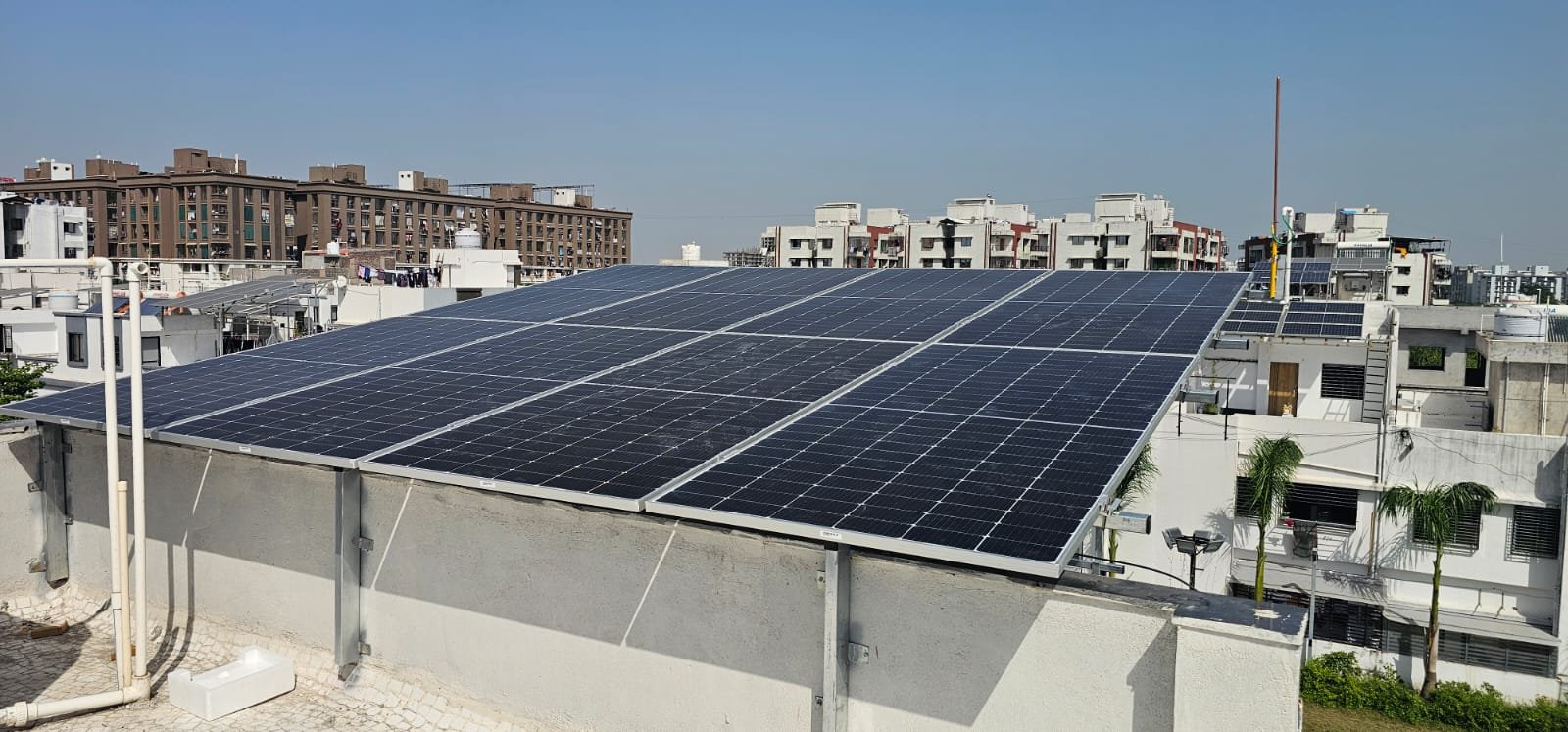
Residential solar systems allow homeowners to generate electricity using sunlight. The right system depends on your household consumption, available rooftop space and electricity connection.
S S Enterprises helps you explore suitable residential solar options and understand the key considerations before planning an installation.
Solar can help households make use of renewable electricity while planning for their energy requirements.
Generate electricity for suitable household loads and potentially reduce grid electricity consumption.
Put suitable rooftop space to work by generating renewable electricity.
Explore on-grid, off-grid and hybrid configurations according to your needs.
Use sunlight as a renewable energy resource for your household.
A solar system connected to the electricity grid. Standard on-grid systems generally do not provide backup during grid outages.
A standalone configuration designed to operate without the electricity grid, typically with battery storage.
Combines a grid connection with battery storage and can provide backup to supported circuits when appropriately configured.
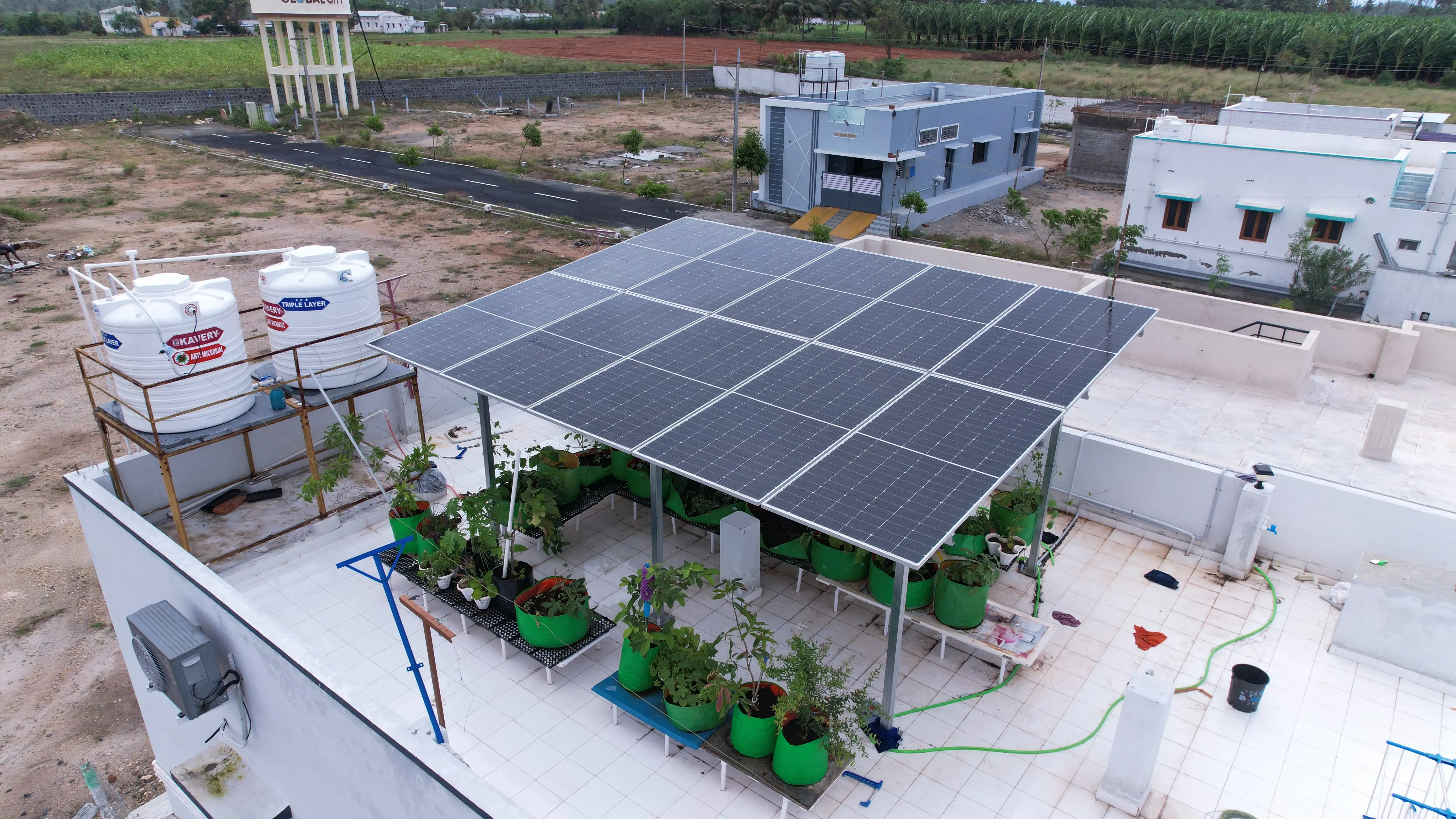
A site assessment helps determine whether your rooftop can accommodate a suitable solar system.
Usable space for panels, access and mounting.
Nearby buildings, trees and other obstructions.
Your bills, daytime usage and major appliances.
Existing connection, sanctioned load and local rules.
Understand the main stages of planning a residential solar installation.
Tell us about your home, location and electricity usage.
Review rooftop suitability, capacity and backup needs.
Discuss equipment, scope, costs and applicable approvals.
Proceed with the agreed installation and required checks.
Switch to another service without returning to the homepage.
Here are some common questions about residential solar systems.
Ask a Question